Last updated: October 2026
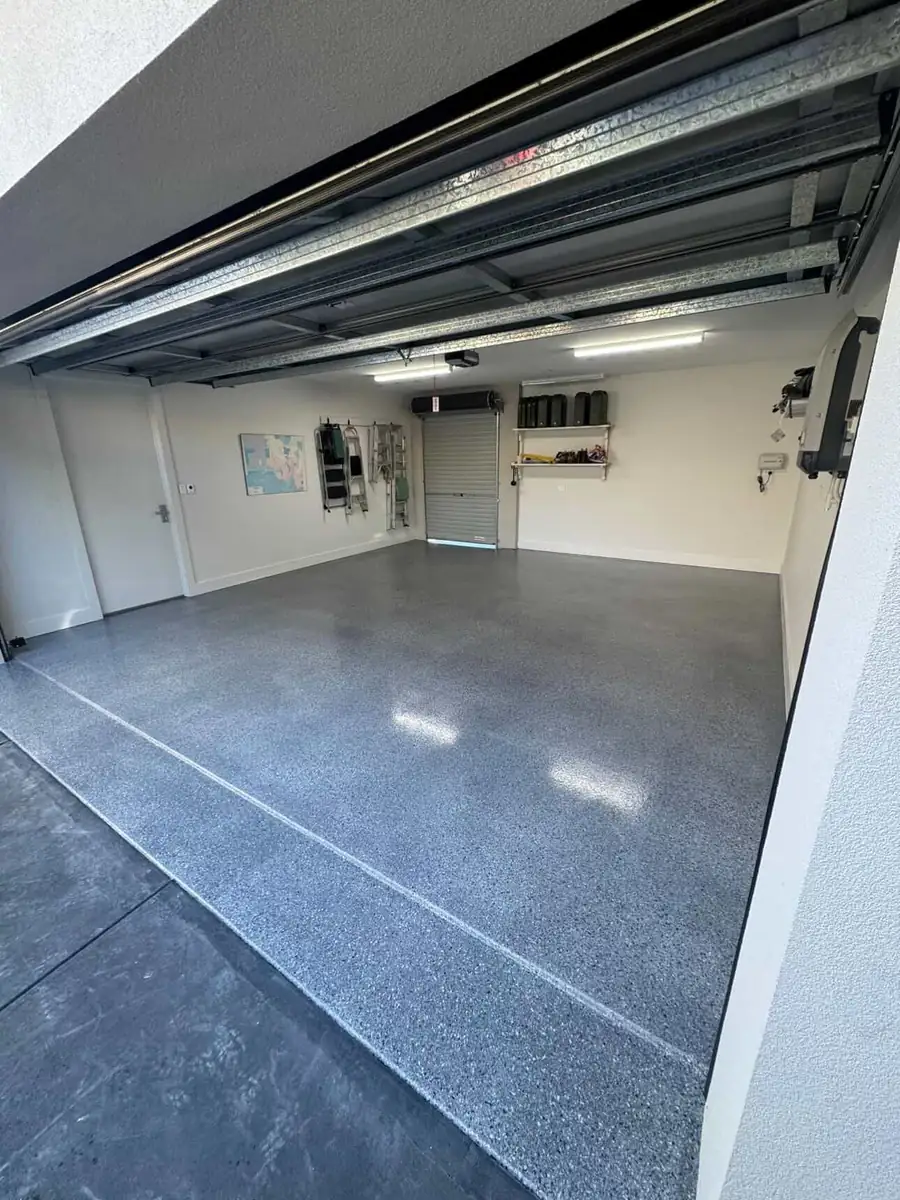
Quick answer
Epoxy fails at the bond line far more often than in the resin, so preparation is the real guarantee. A proper scope includes diamond grinding with extraction, crack and joint repair, oil treatment, moisture awareness and a coating build suited to the traffic. Ask for the warranty in writing and check what it covers and excludes before you sign anything.
Why preparation matters more than the product
When an epoxy floor peels, people often blame the epoxy. In practice the usual culprit is the bond between the coating and the slab. Adelaide slabs bring tyre plasticiser, oil, curing compounds, sealers, soft surface paste and old paint, and each one can block adhesion. If the surface is not mechanically profiled and cleaned, even a premium system can lift. That is why warranty language only means something if the preparation was right.
The preparation sequence we expect of any contractor
- Evaluation. How will the floor be used, and what has the slab been through? Hot tyres, forklifts and wash-down all change the specification.
- Moisture awareness. Newer slabs, below-grade spaces and areas with known seepage need discussion. A thin decorative coat will not resist hydrostatic pressure.
- Mechanical profiling. Diamond grinding, or shot-blasting on larger floors, to remove laitance and weak material and to open the surface.
- Crack and joint treatment. Fillers and flexible details suited to expected movement.
- System build. Primer, body coat and topcoat selected for the use and the exposure.
- Cure and walkthrough. Clear return-to-service times and a final inspection.
Questions to ask every contractor
- How will you grind the slab and extract the dust?
- What happens if you find soft concrete, heavy oil or moisture mid-job?
- Which base coat, broadcast and topcoat products will be used, and how many coats?
- When can I walk on it and when can I park?
- What does the workmanship warranty cover, in writing?
- Who do I call if something goes wrong, and how quickly will you respond?
What a workmanship warranty usually covers
Workmanship warranties are typically written to cover defects in installation and, in some cases, materials, where preparation and installation procedures were followed on a suitable substrate. Terms are confirmed in writing on each Adelaide Epoxy contract because systems and environments differ. Typical exclusions across the industry include abuse and impact damage, rising damp or vapour drive, chemical exposure outside the agreed use, alterations by others and failure to follow care instructions. Ask for the warranty wording before you sign, and ask what proof of maintenance, if any, is required.
Moisture: the hidden risk
Concrete slabs can transmit water vapour. If a slab is on poorly drained ground, near leaking pipes or has no effective vapour barrier, moisture can push through and cause blistering. A good contractor discusses simple moisture checks, tells you if the risk is elevated and explains the options, which may include a moisture-tolerant primer, repairs to drainage, or a decision not to coat. A contractor who promises that moisture will not matter is giving you an unsafe guarantee.
Comparing prices through the prep lens
If two quotes differ dramatically, line up the preparation scope first. One may include grinding with extraction, crack repair and oil treatment; the other may include a light etch. Those are not the same product even if both are called "epoxy flooring". Our cost guide gives typical Australian ranges and explains why the scope matters.
Care instructions that protect the warranty
- Keep the floor clean of grit; sweep weekly.
- Use neutral detergent; avoid solvents and harsh cleaners.
- Do not drag steel objects; use pads under jack stands.
- Wipe oil and chemical spills promptly.
- Keep door seals and drainage in good condition to prevent standing water.
If you want a hands-on walkthrough of these points at your property, ask for it at the free on-site assessment. The sequence from first call to handover is in how an epoxy job works, and local climate factors are explained in the Adelaide climate guide.
What happens if something goes wrong
Even with excellent preparation, floors can show problems: a spot of lifting, a hairline crack that has moved or a patch that looks different in the light. The best contractors make it easy to report an issue. Photograph the area, note when you first saw it and contact the installer promptly. Early reporting helps identify whether the cause is installation, slab movement or an external factor such as a plumbing leak, and it keeps a small repair from becoming a large one.
Frequently asked questions
Does a warranty cover peeling?
Peeling caused by installation or preparation defects is the kind of thing workmanship warranties are written for, subject to the terms in your contract. Peeling caused by rising damp or abuse is typically excluded.
Should I get the warranty in writing?
Yes. Always ask for the terms and exclusions before you agree to the job.
Is moisture testing necessary?
It is a sensible step on newer slabs, below-grade spaces and anywhere moisture is suspected.
Keep reading
Ready to talk about your project? Call or text 0421 443 213, Monday to Saturday, 7:00 AM to 8:00 PM, or use the free quote form.
Call 0421 443 213